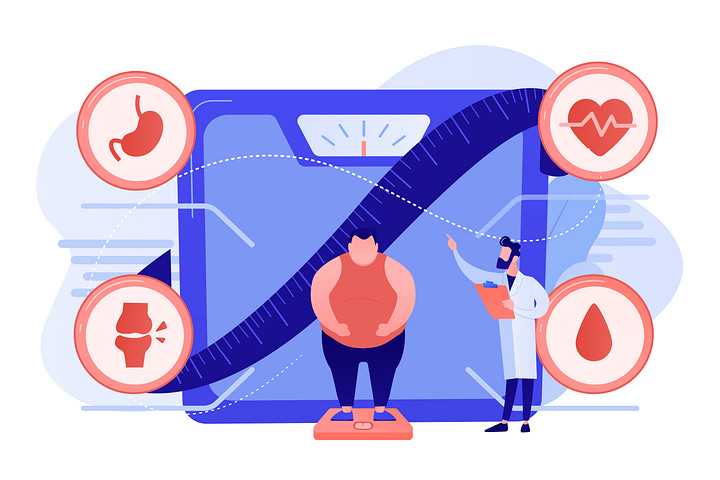
The capstone to this series, for anyone who has collected diagnoses without ever being shown how they connect.
If you’ve been reading this series from the beginning, something has probably been building in the back of your mind.
The cholesterol article mentioned insulin resistance. The insulin resistance article mentioned blood pressure. The blood pressure article mentioned the kidney. The diabetes article referenced the liver. The obesity article ran through almost everything. The hormones article connected to the thyroid, which connected to sleep, which connected to depression, which connected back to inflammation, which connects to all of it.
You may have started to notice that these are not separate problems happening independently in different organs. They are the same problem expressing itself in different places at different stages of the same progression.
Medicine named them separately because it studies and treats them through specialty silos: cardiology, nephrology, endocrinology, rheumatology, psychiatry. Each specialty has its guidelines, its medications, its monitoring protocols. This is not wrong. The specialization has produced genuinely good clinical science. But it has also created a gap at the center, a space where the connections between conditions live, where the earlier stages of a long progression quietly build, where the person sitting in front of the doctor is the only one seeing the whole picture.
In October 2023, the American Heart Association did something that hadn’t been done before. They formally named that gap. They published a Presidential Advisory in Circulation introducing the concept of Cardiovascular-Kidney-Metabolic syndrome, or CKM syndrome, a unified framework that describes the interplay between obesity, metabolic dysfunction, chronic kidney disease, and cardiovascular disease as a single, staged, progressive system rather than a collection of separate conditions [1].
This is the capstone of this series. Not because it’s the most dramatic diagnosis we’ve covered, but because it’s the frame that makes all the others make sense. If you have two or more of the conditions covered in this series, or if you’ve been told you’re “borderline” on several things without anyone connecting the dots, this article is for you.
Part 1: What CKM Syndrome Actually Is
The System Behind the Diagnoses
CKM syndrome is defined as a health disorder arising from the interconnections among excess and dysfunctional adipose tissue, metabolic dysfunction, chronic kidney disease, and cardiovascular disease [1]. Those four things don’t just happen to co-occur in the same people. They drive each other, each one worsening the others through shared biological mechanisms.
Here is the essential biology in plain language.
Dysfunctional fat tissue, particularly visceral fat stored around abdominal organs, is not passive. It is metabolically active and inflammatory. It releases hormones and inflammatory signals that cause insulin resistance. Insulin resistance forces the pancreas to produce more insulin, which drives more fat storage, raises blood pressure, damages blood vessel walls, impairs kidney filtration, and promotes liver fat accumulation. The liver, under this metabolic pressure, begins to store fat itself (MASLD), which amplifies the inflammatory signals further. The kidneys, filtering blood under chronic metabolic and inflammatory stress, begin to lose efficiency, first showing as tiny amounts of protein in the urine (albuminuria), years before kidney function measurably declines. The heart and blood vessels, exposed to years of elevated blood pressure, insulin resistance, dyslipidemia, and inflammation, develop atherosclerosis, the buildup of plaque that eventually causes heart attack and stroke.
This is not a chain of bad luck. It is one biological cascade with multiple exit points, and every exit point has a window of intervention before it becomes a clinical event.
The CKM framework formalizes this into five stages that describe where someone is in the progression and what the appropriate response is at each stage [1]:
Stage 0 describes no metabolic risk factors, no kidney disease, no cardiovascular disease. This is where we want everyone. The goal here is preservation: healthy diet, regular movement, adequate sleep, blood pressure in range, and screening every 3 to 5 years.
Stage 1 means excess or dysfunctional adiposity is present, but no metabolic risk factors yet. Weight has shifted, waist circumference is elevated, but glucose, kidney function, and cardiovascular markers are still normal. This is the earliest intervention window and the one most often missed because there is no diagnosis yet to treat. Lifestyle is the primary and most effective intervention here.
Stage 2 is where metabolic risk factors are present: prediabetes or diabetes, hypertension, dyslipidemia, and/or early kidney changes such as mildly elevated albumin in the urine or reduced eGFR. Population-based studies reveal that Stage 2 represents the most prevalent category, affecting nearly half of adults in Western cohorts [4]. It is also the stage where most people in this series will recognize themselves. Lifestyle remains essential; targeted medications become appropriate.
Stage 3 means subclinical cardiovascular disease is present: early atherosclerosis detectable on imaging, early heart function changes, or high predicted cardiovascular risk including advanced kidney disease. No heart attack yet. No stroke yet. But the biology is progressing toward one without intervention.
Stage 4 describes established, symptomatic cardiovascular disease: heart attack, stroke, heart failure, peripheral arterial disease, or kidney failure. This is the stage medicine is best at treating, and the one that all the earlier stages, if addressed, are trying to prevent.
The profound clinical implication of this framework is this: by the time most people receive any of the diagnoses in this series, they are already in Stage 2. The question is whether anyone is looking at the full picture, or treating each component of Stage 2 in a separate specialist’s office without ever naming the system underneath.
Why This Framework Changes Everything
Before CKM syndrome was formally named, a patient with high blood pressure, prediabetes, elevated triglycerides, and slightly reduced kidney function would likely see four different specialists, receive four separate treatments, and never be told that these four things are one condition at a particular stage of progression.
The AHA’s framework does not just add a new diagnostic label. It proposes a fundamentally different model of care: one that starts earlier, screens more comprehensively, addresses root causes rather than individual markers, and deploys the medications that protect multiple organ systems simultaneously rather than treating each organ in sequence [1].
It also introduces a new risk calculator that starts at age 30, rather than the previous standard of age 40, and accounts for kidney function, blood sugar, and social determinants of health alongside traditional cardiovascular risk factors. This matters because CKM syndrome disproportionately affects populations that have historically been underscreened: people of color, people with lower socioeconomic access to preventive care, and people whose risk accumulates earlier and progresses faster than the old risk models predicted [1].
Part 2: Seeing Yourself in the Stages
The Connective Thread Through This Series
Even if you haven’t read the full series, what follows maps conditions you may already be managing onto a single framework. You don’t need the prior articles to find yourself here.
The conditions covered across this series connect to the CKM framework in a direct and specific way. Here is where each one fits.
High cholesterol (Article 1), particularly the pattern of elevated triglycerides, low HDL, and small dense LDL particles, is a direct marker of metabolic dysfunction and a core component of Stage 2 CKM. It is driven by insulin resistance and visceral adiposity, not primarily by dietary fat intake.
High blood pressure (Article 2) is both a driver of CKM progression and a consequence of it. The kidney-blood pressure relationship is bidirectional: elevated blood pressure damages kidney filtering capacity, and declining kidney function raises blood pressure further. Managing blood pressure in the CKM context means managing the whole system, not just the number.
Insulin resistance (Article 3) is the metabolic engine of CKM syndrome. It sits at the center of the cascade. Visceral fat drives it, and it drives everything else: blood sugar dysregulation, blood pressure, dyslipidemia, kidney stress, liver fat, cardiovascular inflammation.
Hormonal imbalance (Article 4) both reflects and accelerates metabolic dysfunction. Declining estrogen increases insulin resistance, redistributes fat to the visceral compartment, and raises cardiovascular risk. Low testosterone in men drives the same metabolic shifts. Hormonal health is not separate from metabolic health. It is part of the same system.
MASLD (Article 5) is the hepatic manifestation of CKM. Researchers have recently proposed expanding the CKM acronym to include the liver explicitly, calling it CRHM syndrome, because MASLD is so consistently present in the metabolic cascade that excluding it from the framework is increasingly clinically indefensible [3]. The liver’s health tracks directly with the health of the rest of the system.
Obesity (Article 6), specifically excess visceral adiposity, is Stage 1 of the CKM framework. It is the upstream driver that, if addressed early, can prevent the transition to Stage 2. This is why obesity medicine has moved from lifestyle advice to clinical disease management with appropriate pharmacotherapy.
Type 2 diabetes (Article 7) is Stage 2 CKM. The diabetes article made the point that this diagnosis was building for years before the threshold was crossed. The CKM framework shows where it fits in a continuum that started with adiposity and progressed through insulin resistance.
Thyroid disorders (Article 8) amplify every metabolic parameter in the CKM cascade. Thyroid dysfunction is not peripheral to metabolic health. It is part of the same integrated system.
Sleep disorders (Article 9) and depression and anxiety (Article 10) are specifically identified in the AHA’s CKM advisory as risk factors for CKM progression [1]. Chronic sleep disruption drives insulin resistance, elevates cortisol, raises blood pressure, and worsens every metabolic marker. Depression and metabolic dysfunction are bidirectionally linked. These are not lifestyle adjuncts. They are clinical components of the same system.
Sjögren’s disease (Article 11) and endometriosis (Article 12) are chronic inflammatory autoimmune conditions that both drive and are driven by systemic inflammation, the same inflammatory environment that accelerates CKM progression. Hypertension, dyslipidemia, and metabolic dysfunction are documented comorbidities in both conditions. The inflammatory burden of autoimmune disease is a CKM risk amplifier.
This is why the series was structured the way it was. Not as a collection of independent diagnoses, but as a progressive map of one biological system expressing itself in different places, across different life stages, in different bodies.
Part 3: This Is Not Your Fault, But It Is Your Opportunity
What the Framework Means for You
Medicine has been very good at naming what has already happened: diagnosing the heart attack, treating the kidney failure, managing the established diabetes. It has been considerably less good at identifying the decade of biology that preceded those events and acting on it while action is still most effective.
The CKM framework is medicine’s formal acknowledgment of this failure and its formal commitment to doing better. The staging system is not just academic taxonomy. It is a clinical call to action: find people in Stage 1 and Stage 2, before Stage 3 and Stage 4 become the story.
Population-based studies reveal that Stage 2 represents the most prevalent category, affecting nearly half of adults in Western cohorts. Progression occurs in 34% of Stage 1 individuals, with each stage transition conferring incrementally higher cardiovascular mortality risk [4].
Half of adults. Nearly half of the people reading this series are likely already in Stage 2 of a progression that most of them don’t know they’re in.
That is not a reason for alarm. It is the exact reason this series exists. Because Stage 2 is where lifestyle intervention is most powerful, where the right medications produce the most meaningful long-term protection, and where knowing what you’re dealing with gives you the most leverage over what happens next.
Part 4: What Good Assessment Looks Like
Reading Your Body as a System
A CKM-aware clinical assessment doesn’t require new tests. It requires looking at the tests you’ve probably already had, together, as a system, rather than in separate specialist offices.
Here is what we look at to stage someone in the CKM framework and understand where the most important levers are.
Adiposity assessment uses waist circumference and body composition rather than just BMI. Visceral fat is the upstream driver. Waist above 94cm in men and 80cm in women (ethnicity-adjusted) places Stage 1 on the table regardless of what the scale says.
Fasting glucose and A1c establish where someone sits on the glucose continuum: normal, impaired fasting glucose, prediabetes, or diabetes. The staging matters because it determines the urgency and the appropriate intervention.
Fasting insulin and HOMA-IR capture the metabolic driver that A1c alone doesn’t show. Elevated fasting insulin with normal glucose is Stage 1 metabolic dysfunction, and it’s where the window for reversal is widest.
Full lipid panel including triglycerides reveals the pattern that matters most: high triglycerides, low HDL, small dense LDL. This metabolic dyslipidemia pattern is a Stage 2 CKM marker and a stronger cardiovascular risk signal than elevated LDL alone.
Blood pressure should be assessed as a pattern across multiple measurements, not a single reading. The target in the CKM framework is below 130/80 mmHg [1].
eGFR and urine albumin-to-creatinine ratio (UACR) together tell the kidney’s story. eGFR measures filtration rate. UACR measures whether protein is leaking into the urine, the earliest sign of kidney stress, appearing years before eGFR declines. Albuminuria is a powerful biomarker for both kidney and cardiovascular outcomes, but it is significantly underutilized even in patients with established kidney disease. If your UACR has never been checked, ask for it by name.
High-sensitivity CRP measures systemic inflammation. Elevated hs-CRP in the context of metabolic risk factors indicates that the inflammatory cascade is active, accelerating progression and independently raising cardiovascular risk.
Liver enzymes and FIB-4 address liver involvement in the CKM cascade. As covered in the MASLD article, elevated liver enzymes in the context of metabolic risk factors warrant formal staging, not watchful waiting.
Coronary artery calcium (CAC) score provides direct evidence of subclinical atherosclerosis for patients in Stage 2 or 3 where cardiovascular risk assessment is guiding statin decisions. The AHA CKM framework supports its use for risk stratification in this context [1].
We also track fasting insulin (the upstream driver that standard panels miss), hs-CRP (the inflammatory status of the system), vitamin D, and full hormonal panels, because the hormonal dimension of CKM, though not part of the formal staging criteria, is clinically inseparable from metabolic health in both men and women.
Part 5: What Actually Moves the Needle
The Foundation at Every Stage
The integrative foundation of CKM management is the same at every stage, because these interventions address the root biological drivers, not just individual markers. More is possible here than most patients are told.
Dietary quality. The Mediterranean and DASH dietary patterns consistently show benefit across every component of CKM syndrome: blood pressure, triglycerides, glucose regulation, kidney protection, cardiovascular risk, and liver fat. Not because of any single nutrient, but because the overall pattern reduces dietary inflammatory burden, supports gut microbiome diversity, improves insulin sensitivity, and provides the nutrients required for vascular and metabolic health. This is the dietary pattern with the broadest evidence base across the widest range of conditions, and it is the one we return to with almost every patient in this series.
Resistance training specifically. Muscle is metabolically active tissue. Every kilogram of lean muscle mass improves insulin sensitivity, increases glucose disposal, reduces visceral fat, supports kidney function through better metabolic regulation, and independently reduces cardiovascular risk. Resistance training is not optional in CKM management. It is a primary intervention.
Sleep. As established in the sleep article, chronic sleep disruption drives every metabolic component of CKM syndrome. Below 7 hours nightly produces measurable worsening of insulin sensitivity, blood pressure, inflammatory markers, and hormonal balance. Sleep is not a lifestyle supplement to the clinical protocol. It is part of the clinical protocol.
Stress and cortisol regulation. Chronic activation of the stress response drives visceral fat accumulation, insulin resistance, blood pressure elevation, and immune dysregulation. The mechanisms are enzymatic and hormonal, not metaphorical. Managing stress through whatever combination of approaches a given person can sustain, whether breathwork, nature exposure, boundary-setting, therapy, or reduced overcommitment, is metabolic medicine.
The Medications That Protect the Whole System
This is the part of CKM management that has transformed most dramatically in the last five years, and the part that most patients, even those already diagnosed, are not being fully told about.
Two drug classes have emerged as the closest thing medicine currently has to CKM-wide protective agents. Both were developed for diabetes management, and both have demonstrated benefits so far beyond blood sugar control that they have been formally integrated into CKM guidelines.
SGLT2 inhibitors (empagliflozin, dapagliflozin, canagliflozin) cause the kidneys to excrete glucose directly into the urine. Their metabolic effects include modest weight loss, blood pressure reduction, and reduced cardiac preload and afterload. Their organ-protective effects are the most clinically significant: substantially reduced risk of hospitalization for heart failure, meaningful slowing of kidney disease progression, and cardiovascular mortality reduction in high-risk patients, effects that appear to operate independently of their glucose-lowering action [1, 2]. For patients with diabetes and chronic kidney disease, SGLT2 inhibitors should be prioritized given their favorable impact on kidney function decline and the risks of heart failure and cardiovascular mortality.
GLP-1 receptor agonists (semaglutide, tirzepatide) produce substantial weight loss, improve insulin sensitivity, reduce blood pressure, lower triglycerides, reduce liver fat, and have demonstrated significant reductions in major adverse cardiovascular events in high-risk patients [1, 2]. The FLOW trial specifically demonstrated kidney-protective effects of semaglutide in people with type 2 diabetes and chronic kidney disease, reducing the risk of major kidney outcomes and cardiovascular death by 24% compared to placebo [5]. That finding cements GLP-1 agents as cardiorenal medicines, not just weight loss tools.
The AHA CKM framework specifically supports considering both classes for patients in Stage 2 and above, because their multi-organ protective effects align directly with the multi-system nature of the syndrome [1]. A patient in Stage 2 or 3 CKM being managed on a blood pressure medication alone, without these classes being discussed, is not receiving the full breadth of what the current evidence supports.
Part 6: The Monitoring Framework
Screening That Matches the Stage
Adults at Stage 0 should be screened for components of metabolic syndrome every 3 to 5 years. At Stage 1, every 2 to 3 years. At Stage 2 or higher, annually.
Annual screening at Stage 2 and above should include fasting glucose and A1c, fasting lipid panel with triglycerides, urine albumin-to-creatinine ratio, eGFR, blood pressure, waist circumference, and liver enzymes. These numbers together tell the story of whether the system is improving, stable, or progressing.
At Heal Integrative Wellness, we also track fasting insulin, hs-CRP, vitamin D, and full hormonal panels, because the hormonal dimension of CKM is clinically inseparable from metabolic health in both men and women, even if it sits outside the formal staging criteria.
The question we are always asking is whether the overall trajectory of the system is improving. Individual markers can fluctuate. What matters is the direction of travel over 6 months and a year. Are triglycerides coming down? Is fasting insulin improving? Is the UACR stable or falling? Is blood pressure better managed? That trajectory, more than any single number, tells you whether the intervention is working.
Where This Series Has Been Going
Twelve articles. Twelve conditions. One system.
Cholesterol, blood pressure, insulin resistance, hormones, liver, obesity, diabetes, thyroid, sleep, mental health, autoimmune disease: these are not separate stories. They are chapters in the same one. The story of a metabolic and inflammatory system that, under enough pressure, over enough time, expresses itself in whichever tissue is most vulnerable for that particular person.
What we hope you’ve taken from this series is not a checklist of things to worry about. It’s a way of understanding your body as a connected whole, where treating one part without looking at the others is like fixing one leak in a pipe while five others are dripping. And where catching the system early, understanding its direction, and addressing its root drivers is the difference between managing disease and genuinely preventing it.
The appointment has never been long enough to give you all of this. That’s why this series exists.
If you’ve recognized yourself anywhere in these pages, if your picture is more complex than any single diagnosis captures, that’s exactly the kind of complexity we’re built to work with at Heal Integrative Wellness.
This is what integrative medicine is for. Not alternatives. Not wellness shortcuts. The whole picture, grounded in the best available evidence, held by someone with time to look at all of it.
We’re glad you’re here.
Get the next one as it's written.
New articles on hormones, gut health, thyroid, and metabolic health — free, by email, as soon as they publish.
Sources & Research
Every claim in this article is grounded in peer-reviewed research. DOI links open the original studies.
Ndumele CE, Rangaswami J, Chow SL, et al. Cardiovascular-kidney-metabolic health: a presidential advisory from the American Heart Association. Circulation. 2023;148(20):1606–1635. doi:10.1161/CIR.0000000000001184
Gajjar A, Raju AK, Gajjar A, et al. SGLT2 inhibitors and GLP-1 receptor agonists in cardiovascular-kidney-metabolic syndrome. Biomedicines. 2025;13(8):1924. doi:10.3390/biomedicines13081924
Theodorakis N, Nikolaou M. From cardiovascular-kidney-metabolic syndrome to cardiovascular-renal-hepatic-metabolic syndrome: proposing an expanded framework. Biomolecules. 2025;15(2):213. doi:10.3390/biom15020213
Laffin LJ, Bakris GL. Cardiovascular-kidney-metabolic syndrome: prevalence, risks, disease trajectories, and early-stage management. American Journal of Physiology: Cell Physiology. 2025. doi:10.1152/ajpcell.00499.2025
Perkovic V, Tuttle KR, Rossing P, et al. Effects of semaglutide on chronic kidney disease in patients with type 2 diabetes. New England Journal of Medicine. 2024;391(2):109–121. doi:10.1056/NEJMoa2403347