For anyone who has been told their periods are just painful, their pain is just stress, or that what they’re feeling is normal, and known, somewhere, that it wasn’t.
One of the patients I think about most came to our clinic at 34, already a decade into a journey that should have taken one year.
She was 16 the first time she missed school because of her period.
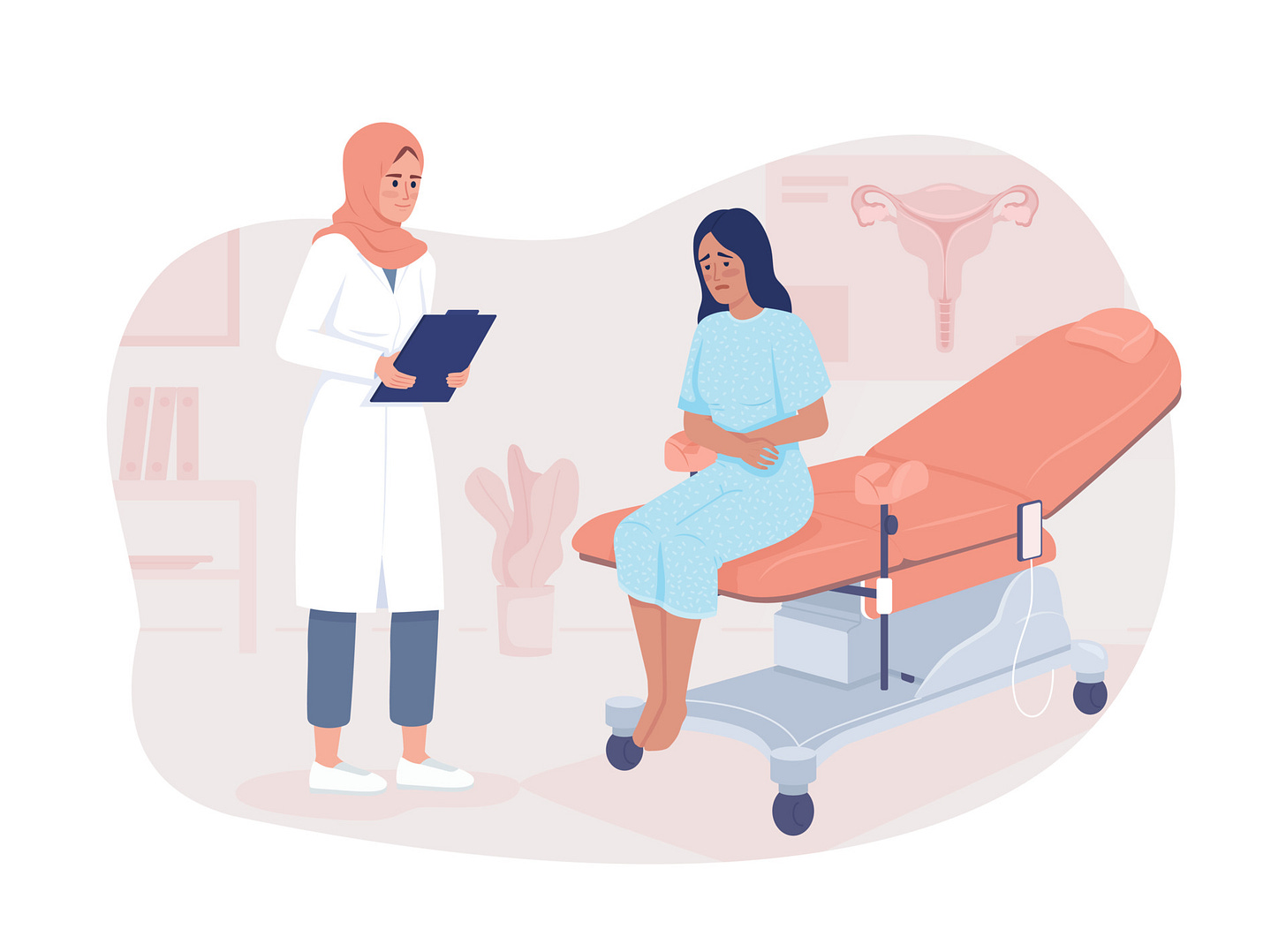
By 22, she had been to the emergency room twice with pain so severe she couldn’t stand. Both times she was given painkillers and sent home. By 26, she had been told by three different doctors that some women just have difficult periods. By 28, she was struggling with infertility and nobody had yet considered that the pain and the fertility problem might have the same cause.
She was finally diagnosed with endometriosis at 29. Stage III. After thirteen years of symptoms.
Her story is not an outlier. Studies report diagnostic delays ranging from five to over ten years, and that gap has not meaningfully improved despite growing awareness [1]. In some countries the delay stretches beyond a decade. The disease progresses during those years. The pain worsens. Fertility becomes more complicated. The psychological toll of not being believed compounds into something that takes years of its own to recover from.
One detail that surprises many people, including those already managing a gynecological diagnosis: endometriosis is found in approximately 30 to 50% of women with infertility. If you have been trying to conceive without success and nobody has mentioned endometriosis, that is a conversation worth having with your doctor.
In November 2024, the National Institute for Health and Care Excellence updated its endometriosis guideline with a significant shift in emphasis: diagnosis should be based on symptom history even when imaging is inconclusive, and treatment should begin based on symptoms rather than waiting for definitive surgical confirmation [4]. That change represents a formal acknowledgment that the current diagnostic pathway is failing people.
This article is about what endometriosis actually is, why it takes so long to diagnose, what a proper assessment looks like, and what treatment can genuinely achieve, including the integrative approaches that make a real difference to daily life.
Part 1: Recognizing the Pattern
What Endometriosis Actually Is
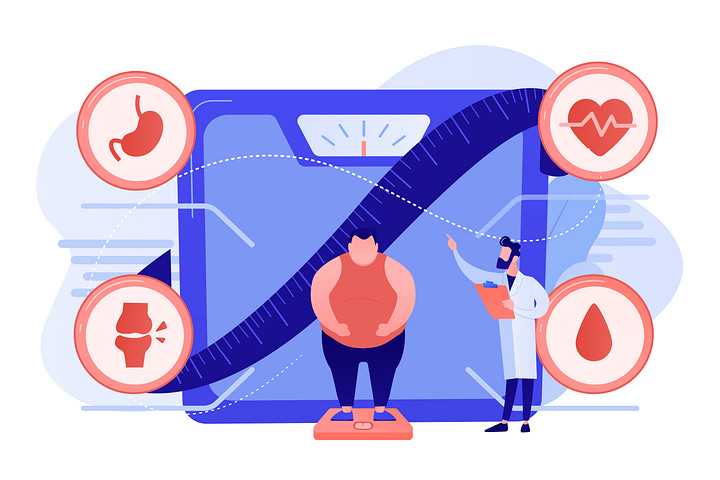
Endometriosis is a chronic inflammatory disease in which tissue similar to the lining of the uterus grows outside the uterus, on the ovaries, fallopian tubes, the lining of the pelvis, the bowel, the bladder, and in severe cases on distant organs. This tissue responds to the hormonal cycle the same way the uterine lining does, thickening, breaking down, and bleeding with each cycle. But unlike the uterine lining, it has nowhere to go. The result is inflammation, scar tissue, adhesions that bind organs together, and cysts called endometriomas on the ovaries.
The inflammatory environment endometriosis creates is not localized. It is systemic. It drives immune dysregulation, central sensitization of the nervous system (where the pain-processing system becomes amplified and hyperresponsive), gut inflammation, and hormonal disruption. This is why endometriosis produces a symptom profile that extends well beyond the pelvis, and why it is so frequently misattributed to other conditions.
Endometriosis affects approximately 190 million women worldwide, an estimated 1 in 10 women of reproductive age. Despite this, research funding remains disproportionately low relative to its prevalence and impact.
The Patterns Worth Knowing
Pelvic pain is the hallmark, but not all pelvic pain looks the same in endometriosis. It may be cyclical (worst around menstruation), or it may become chronic and persistent as the disease progresses. The pain is often disproportionate to what a clinician might expect, which historically led to it being attributed to “low pain tolerance” rather than to the disease itself. Central sensitization explains why pain can persist even after treatment removes visible disease: the nervous system has been recalibrated toward amplified pain responses.
Dysmenorrhea (painful periods) — severe period pain that interferes with daily activities is not normal, even though it is common. The distinction matters enormously and is still not being communicated clearly enough. Pain that requires strong analgesia, causes vomiting, or causes missed work or school is a symptom that warrants investigation, not normalization.
Dyspareunia (pain with sex), particularly deep dyspareunia, meaning pain felt deep in the pelvis during penetration, is a highly specific feature of endometriosis and is strongly associated with deep infiltrating disease involving the uterosacral ligaments, rectovaginal septum, or bowel.
Bowel and bladder symptoms including cyclical diarrhea, constipation, bloating, painful bowel movements around menstruation, and cyclical urinary frequency or pain are among the most frequently missed features of endometriosis. When these symptoms are cyclical, they strongly suggest endometriosis involving the bowel or bladder. They are also the symptoms most frequently attributed to irritable bowel syndrome, delaying the correct diagnosis for years.
Fatigue in endometriosis is significant and persistent, yet poorly recognized in clinical practice. The systemic inflammation, hormonal disruption, chronic pain, and sleep disruption from pain together create a fatigue burden that is real and often severe.
Infertility is found in approximately 30 to 50% of women with endometriosis. The mechanisms are multiple: distorted pelvic anatomy from adhesions and endometriomas, impaired egg quality from ovarian inflammation, altered tubal function, and an inflammatory uterine environment that may impair implantation.
The Conditions Endometriosis Gets Mistaken For
This is the list that costs years. Because endometriosis produces bowel symptoms, it gets diagnosed as IBS. Because it produces fatigue and mood changes, it gets attributed to depression or anxiety. Because pelvic pain is considered “normal for women,” it gets normalized rather than investigated. And because the only definitive diagnostic test has historically required surgery, many clinicians wait for certainty before taking the patient’s symptoms seriously.
The 2024 NICE guideline update specifically addresses this: a positive symptom history, particularly cyclical pelvic pain, painful periods, and pain with sex, is now sufficient to initiate investigation and treatment without waiting for imaging confirmation [4]. A normal ultrasound does not rule out endometriosis, because superficial peritoneal disease and many forms of deep infiltrating disease are not visible on standard pelvic ultrasound.
Part 2: This Is Not in Your Head, and the Guidelines Now Say So
The Cost of Not Being Believed
The endometriosis diagnostic delay is not primarily a technological failure. We don’t lack the imaging capability or the surgical ability to identify this disease. The delay is primarily a cultural and systemic failure to take women’s pain seriously.
Studies consistently show that women in pain are less likely to receive adequate analgesia, more likely to have their pain attributed to psychological causes, and more likely to wait longer for diagnostic evaluation than men with equivalent pain levels. These are not abstract statistics. They are what happened to the woman in the opening story. They are what happens to patients who describe being told for years that they need to manage their stress better.
The 2024 NICE guideline represents something genuinely important in this context. By formally stating that treatment can and should begin based on symptoms alone, it repositions the patient’s account of their own experience as clinically authoritative. That is the shift this disease has needed for a long time [4].
What this means in practice: if you have cyclical pelvic pain that disrupts your life, painful periods that go beyond ordinary discomfort, pain with sex, or cyclical bowel symptoms, you have grounds to ask for investigation and treatment now. Not after imaging confirms something. Not after surgery. Now.
Part 3: What Good Testing and Assessment Actually Looks Like
This section gets more clinical. If you’ve just been diagnosed and your head is still spinning, bookmark this and bring it to your next appointment. It’s written to help you know what questions to ask and what to expect, not to overwhelm you.
The Diagnostic Pathway
There is no blood test that diagnoses endometriosis. CA-125, a tumour marker sometimes used in other contexts, is specifically not recommended for endometriosis diagnosis by NICE because it lacks both sensitivity and specificity [4]. The diagnosis is clinical and imaging-based, with definitive confirmation by laparoscopy if needed.
Clinical history is the starting point and, per the updated 2024 guidelines, the most important one [4]. A detailed symptom history covers menstrual pattern and cycle-related symptoms, the character and severity of pelvic pain (cyclical versus constant, location, whether it is worsening over time), pain with sex, bowel and bladder symptoms particularly around menstruation, and history of fertility difficulty. Family history of endometriosis in a first-degree relative meaningfully increases diagnostic likelihood.
Transvaginal ultrasound (TVUS) is now recommended by the 2024 NICE guideline for all women with suspected endometriosis [4]. Performed by an experienced sonographer, it can identify ovarian endometriomas and deep infiltrating disease. Its limitation is that it does not reliably detect superficial peritoneal disease, the most common form. A normal ultrasound does not rule out endometriosis and should not be used to dismiss symptoms.
Pelvic MRI is recommended when deep infiltrating endometriosis is suspected, particularly when bowel, bladder, or ureteral involvement is possible [4]. It is more sensitive than ultrasound for mapping deep disease and essential for surgical planning.
Diagnostic laparoscopy remains the gold standard for definitive diagnosis, allowing direct visualization and histological confirmation of endometriotic lesions. The 2024 NICE guideline supports offering laparoscopy to patients with symptoms strongly suggestive of endometriosis who have not responded to medical management, or where deep disease is suspected [4]. A normal laparoscopy does not absolutely exclude very early disease.
What we add from an integrative perspective: Given the systemic inflammatory nature of endometriosis and its hormonal drivers, our workup also includes a full hormonal panel to assess estrogen dominance patterns and progesterone status, fasting insulin and inflammatory markers given the insulin-endometriosis relationship, vitamin D levels, a full iron panel (heavy menstrual bleeding causes iron deficiency in a significant proportion of patients), and a thyroid panel. These don’t diagnose endometriosis, but they shape the full management picture.
Part 4: What Actually Moves the Needle
Medical Management First
The 2024 NICE guideline explicitly recommends initiating treatment based on symptoms before waiting for surgical confirmation [4]. The first-line medical options are:
NSAIDs for acute pain management. A short trial of NSAIDs is reasonable as first-line analgesia, with the understanding that this is symptomatic relief, not treatment of the underlying disease.
Combined oral contraceptive pill suppresses the cyclical hormonal fluctuations that drive endometriotic tissue activity, reducing pain in many patients. Continuous use without the pill-free week is more effective for pain control than cyclic use.
Progestogens including norethisterone, medroxyprogesterone acetate, and the levonorgestrel-releasing IUD (Mirena) all suppress endometriotic activity through progestogenic effects. The Mirena coil has strong evidence for pain reduction and is particularly useful for patients who want long-term hormonal management with minimal systemic exposure.
GnRH analogues induce a temporary menopause state, dramatically reducing estrogen and suppressing endometriotic activity. They are highly effective for pain but not suitable for long-term use without add-back hormonal therapy due to bone density loss. Generally used in specialist settings.
The Integrative Approach
This is where we spend significant time with endometriosis patients, because the medical management addresses hormonal activity but doesn’t address the full systemic inflammatory picture. The integrative approach is not a replacement for medical or surgical management. It is what makes the difference between managing the disease and genuinely living well with it.
Anti-inflammatory dietary pattern. Endometriosis is fundamentally an inflammatory disease, and dietary inflammation is a modifiable driver. Multiple studies demonstrate that women with higher dietary omega-6 to omega-3 ratios have higher endometriosis risk and worse symptom severity [3]. The Mediterranean dietary pattern, with its high omega-3 content, polyphenol richness, and low refined carbohydrate and trans-fat content, consistently reduces inflammatory burden in inflammatory conditions. Specifically: reduce red meat (associated with increased endometriosis risk in epidemiological studies), increase fatty fish, reduce trans fats and ultra-processed food, increase cruciferous vegetables (which support estrogen metabolism through glucosinolate pathways), and prioritize fiber-rich foods that support healthy estrogen clearance through the gut.
Omega-3 supplementation. EPA and DHA directly reduce prostaglandin-mediated inflammation, which is a primary driver of endometriosis-associated pain. High-quality omega-3 supplementation at 2 to 3g EPA and DHA combined is one of the most clinically defensible adjunct interventions in endometriosis management [3].
Magnesium. Magnesium glycinate at 300 to 400mg daily has evidence for reducing dysmenorrhea through relaxation of uterine smooth muscle and reduction of prostaglandin production [5]. It is one of the most accessible and well-tolerated additions to a pain management protocol.
N-acetylcysteine (NAC). NAC is an antioxidant with growing evidence in endometriosis. Observational and prospective studies have shown reductions in endometrioma size and pain scores with NAC supplementation in women with ovarian endometriomas, a meaningful finding given how limited non-surgical options are for established ovarian disease [6]. I recommend NAC at 600mg three times daily in a cyclical protocol (three days on, three days off) for patients with ovarian endometriomas and significant oxidative stress markers.
Vitamin D. Vitamin D deficiency is consistently more prevalent in women with endometriosis, and lower levels correlate with higher disease severity [7]. Standard lab ranges define sufficiency at 30 ng/mL, but many integrative clinicians recommend targeting 50 to 70 ng/mL for patients with inflammatory conditions. I recommend targeting levels above 60 ng/mL, though optimal thresholds haven’t been established in randomized trials, so this is worth discussing with your provider.
Gut health. The gut microbiome influences estrogen metabolism through a collection of bacteria sometimes called the estrobolome. Dysbiosis, an imbalance in gut bacteria, can impair estrogen clearance, increasing circulating estrogen levels and potentially worsening endometriosis. Supporting gut health through dietary fiber diversity, fermented foods, and addressing underlying gut inflammation is a relevant part of the hormonal picture.
Pain neuroscience education and nervous system regulation. For patients with central sensitization, where pain persists beyond obvious disease activity, is amplified by stress, and is present outside the pelvis, specific approaches including breathwork, vagal toning, and mindfulness-based pain management have evidence for reducing pain by addressing the neural amplification component. To be clear: this is not a suggestion that the pain is psychological. Years of real inflammatory disease physically recalibrate the nervous system toward amplified pain responses. These tools work by recalibrating it in the other direction. They are a complement to, not a replacement for, physical treatment.
The Surgical Conversation
Laparoscopic excision of endometriotic tissue by a skilled surgeon remains the most effective treatment for established symptomatic endometriosis, particularly deep infiltrating disease and endometriomas [4]. Excision (cutting out lesions) is superior to ablation (burning them) for long-term symptom control. Referral to a specialist endometriosis center is appropriate for complex or deep disease.
Surgery is not a cure and endometriosis can recur. But for many patients with significant disease burden, skilled surgery followed by suppressive medical management and the integrative approaches above produces the most meaningful improvement in quality of life.
Part 5: Retesting and What to Watch
The Ongoing Management Framework
Endometriosis is a chronic condition requiring long-term management, not a single intervention and discharge.
Every 6 months initially: symptom assessment using a pain diary (which the 2024 NICE guideline specifically recommends) [4], hormonal panel review, inflammatory markers, and iron studies if menstrual blood loss is significant. Is the management working? Is breakthrough pain occurring? Does fertility planning affect medication choices?
Annually: ultrasound review for any patient with known endometriomas to monitor for growth, full panel assessment, and a dedicated conversation about whether the current management approach still fits the patient’s current life stage and priorities.
Fertility monitoring: for patients with known endometriosis who are planning or attempting to conceive, earlier and proactive referral to a reproductive medicine specialist is appropriate rather than waiting for a defined period of failed attempts. The 2024 NICE guideline specifically supports this [4].
Track at home: pain diary (symptom type, severity, cycle day, what helped), bowel and bladder symptoms, energy levels, mood, and the impact of symptoms on daily activities. This data is your most powerful tool in consultations. It transforms a subjective account into a documented pattern that is difficult to dismiss.
Return sooner if you notice a sudden change in pain character or severity, new symptoms especially urinary or bowel symptoms not previously present, suspected ovarian cyst torsion (sudden severe unilateral pain requiring emergency evaluation), or if you are trying to conceive without success after six months with known endometriosis.
Where to Go From Here
Endometriosis is a disease that has too often been met with dismissal, normalization, and delay. The diagnostic gap of five to ten years is not acceptable, and the updated 2024 NICE guideline says so by shifting the standard toward action based on what patients are experiencing rather than waiting for technology to prove it [1, 4].
If you have recognized yourself in this article, the pain, the fatigue, the bowel symptoms that come and go with your cycle, the infertility, the years of being told it’s normal, you have grounds to ask for more. A proper assessment. A referral to a specialist if initial management doesn’t help. Treatment based on your symptoms, not on a normal ultrasound.
Your pain has a name. And it has a treatment.
If you want to understand what your full picture looks like from an integrative perspective, what’s driving the inflammation, what can be optimized beyond hormonal management, and how to support your body through this, that’s the conversation we’re here to have.
Get the next one as it's written.
New articles on hormones, gut health, thyroid, and metabolic health — free, by email, as soon as they publish.
Sources & Research
Every claim in this article is grounded in peer-reviewed research. DOI links open the original studies.
De Corte P, Klinghardt M, von Stockum S, Heinemann K. Time to diagnose endometriosis: current status, challenges and regional characteristics — a systematic literature review. BJOG. 2025;132(2):118–130. doi:10.1111/1471-0528.17973
Fryer J, Mason-Jones AJ, Woodward A. Understanding diagnostic delay for endometriosis: a scoping review using the social-ecological framework. Health Care Women Int. 2025;46(3):335–351. doi:10.1080/07399332.2024.2413056
Missmer SA, Chavarro JE, Malspeis S, et al. A prospective study of dietary fat consumption and endometriosis risk. Human Reproduction. 2010;25(6):1528–1535. doi:10.1093/humrep/deq044
National Institute for Health and Care Excellence. Endometriosis: diagnosis and management. NICE guideline NG73. Updated November 2024. Available at: https://www.nice.org.uk/guidance/ng73
Zahradnik HP, Hanjalic-Beck A, Groth K. Nonsteroidal anti-inflammatory drugs and hormonal contraceptives for pain relief from dysmenorrhea: a review. Contraception. 2010;81(3):185–196. doi:10.1016/j.contraception.2009.09.014
Anastasi E, Scaramuzzino S, Viscardi MF, et al. Efficacy of N-acetylcysteine on endometriosis-related pain, size reduction of ovarian endometriomas, and fertility outcomes. International Journal of Environmental Research and Public Health. 2023;20(6):4686. doi:10.3390/ijerph20064686
Mariani M, Viganò P, Gentilini D, et al. The selective vitamin D receptor agonist, elocalcitol, reduces endometriosis development in a mouse model by inhibiting peritoneal inflammation. Human Reproduction. 2012;27(7):2010–2019. doi:10.1093/humrep/des136