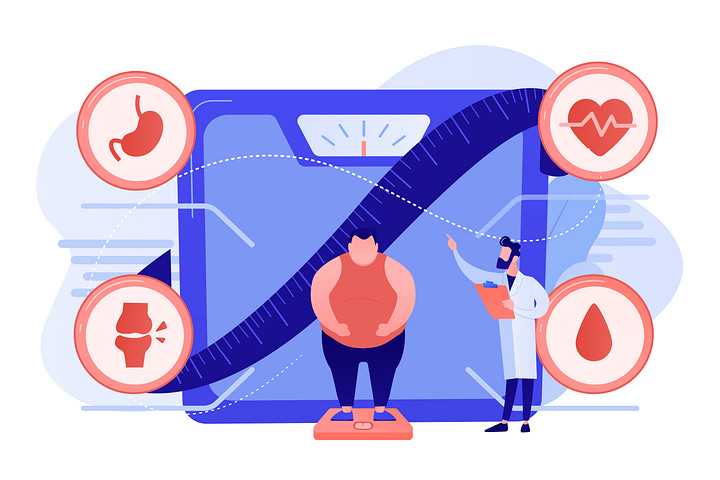
For patients presenting with fasting glucose 100–125 mg/dL, HbA1c 5.7–6.4%, or clinical signs including acanthosis nigricans, skin tags, or unexplained post-meal fatigue.
There’s a specific kind of disorientation that comes with being told your numbers are “borderline.”
Not diabetic. Not fine. Somewhere in between and staring at a lab result that raises more questions than your doctor had time to answer.
Insulin resistance and prediabetes occupy exactly that territory. They’re common enough that clinicians sometimes deliver the news quickly, assuming patients know what it means. Most don’t. And that gap between the diagnosis and a real plan is exactly where people get stuck or where the condition quietly progresses.
This masterclass is our attempt to close that gap. We’re going to walk you through why this happened, what it actually means for your body, and what the evidence says you can do about it starting today!
Part 1: The Pattern Behind the Diagnosis
How Your Body Gets Here
Insulin resistance doesn’t announce itself. It builds over years, through a gradual process that many people never notice until a number on a lab report flags it.
Here’s the core mechanism: insulin is the hormone that signals your cells to absorb glucose from the bloodstream. In insulin resistance, that signal starts to lose its potency. Your cells stop responding as efficiently, and your pancreas compensates by producing more insulin and sometimes dramatically more. For a while, this works. Your glucose stays normal because your pancreas is working overtime to keep it there. But that compensation has a biological cost, and it is not sustainable indefinitely.
The clinical thresholds matter here. Fasting glucose between 100–125 mg/dL, or an HbA1c between 5.7–6.4%, places you in the prediabetic range (a physiological state that carries real risk) but is also the most actionable window in the progression toward type 2 diabetes. Randomized controlled trials have consistently shown that 32–52% of individuals in this range return to normal glucose regulation through intensified lifestyle intervention, and the evidence for lifestyle modification is classified as strong in the most recent systematic reviews and meta-analyses [1, 2].
What to Look for in Yourself
Several patterns tend to appear before a diagnosis is made, and recognizing them helps contextualize your situation.
Central weight gain is one of the most consistent early signs. Excess insulin preferentially directs fat storage to the abdominal area. A waist circumference above 40 inches in men or 35 inches in women is a visible marker worth taking seriously.
Post-meal energy crashes — specifically the fatigue or mental fog that sets in 1–3 hours after eating, suggest reactive hypoglycemia: your body is overshooting insulin production in response to a meal, then bottoming out. If you feel better before you eat than after, this is a pattern worth discussing with your provider.
Skin changes can be the most overlooked indicator. “Acanthosis nigricans” a darkening and thickening of the skin at the neck, underarms, or groin is a direct dermatologic marker of high insulin. Skin tags in these same locations have also been associated with elevated insulin.
Laboratory ratios can reveal insulin resistance even when fasting glucose looks normal. A triglyceride-to-HDL ratio greater than 3.5 is a clinically useful indicator, with research showing it reflects underlying insulin resistance with meaningful accuracy.
Root Causes Worth Examining
Understanding why this happens isn’t about assigning blame. It’s about identifying which levers are yours to pull.
Dietary patterns high in refined carbohydrates and added sugars are the most established contributor. The average American consumes approximately 17 teaspoons of added sugar daily well above the American Heart Association’s recommended limits( 6 teaspoons for women and 9 for men). Repeated cycles of high post-meal glucose demand chronically elevated insulin production.
Physical inactivity accelerates the process. Skeletal muscle is the body’s primary site for glucose disposal this accounts for approximately 80% of insulin-stimulated glucose uptake in healthy adults [3]. When muscle mass is low or undertrained, the capacity to clear glucose from the bloodstream is proportionally reduced.
Sleep is one of the most underappreciated variables in metabolic health. Sleep restriction to 4–5 hours per night has been shown in controlled trials to decrease insulin sensitivity by 16–30% [4, 5]. A systematic review and meta-analysis of 35 randomized controlled trials confirmed that reductions in sleep duration, sleep quality, and circadian misalignment all independently impair insulin sensitivity [6]. Treating insulin resistance without addressing sleep is like bailing water without plugging the hole.
Chronic psychological stress drives cortisol elevation, and cortisol directly antagonizes insulin signaling. This creates a real physiological mechanism — not just a lifestyle concern — that makes stress management a clinical priority, not a luxury.
Part 2: The Mental Shift
From “I Failed” to “I Now Know”
The most common emotional response to a prediabetes or insulin resistance diagnosis is shame. Patients interpret it as evidence of personal failure as though their body is grading them on a test they should have studied harder for.
The research tells a different story. A substantial proportion of people with chronic conditions develop comorbid depression or anxiety, and the emotional weight of a new diagnosis is well-documented to directly impair the motivation and cognitive resources needed to respond to it. Shame, in particular, is associated with avoidance, which is the opposite of what the situation calls for.
We want to offer a reframe, and we mean it clinically.
Your body is not broken. It is doing exactly what it evolved to do: storing energy efficiently in an environment where food was scarce and unpredictable. The problem is that the modern food environment: hyperpalatable, calorically dense, endlessly available, has outpaced a system that was never designed for it. This is not a personal failure. It is a systems mismatch.
What the diagnosis does give you is information. Prediabetes is not a disease. It is a risk state and critically, it is the stage at which lifestyle intervention has its most powerful impact [7]. The HbA1c window of 5.7–6.4% exists in medical guidelines precisely because this is where the evidence for reversal is strongest. Many people who receive this diagnosis and act on it never progress to type 2 diabetes.
The rest of this masterclass, including gender-specific guidance, your full intervention roadmap, and the retesting timeline is available to paid subscribers.
At Heal Integrative Wellness, we believe that the quality of health information you receive should not depend on your ability to pay a specialist’s hourly rate. Every masterclass in this series is written and reviewed by licensed clinicians, backed by peer-reviewed evidence, and built around the questions we hear most in our own practice.
Part 3: Gender-Specific Considerations
For Women
Insulin resistance in women is not simply a quieter version of what men experience. It is a fundamentally different hormonal landscape, and those differences have real clinical implications for how you should understand, track, and treat this condition.
Your insulin sensitivity moves with your menstrual cycle. Research comparing insulin sensitivity across cycle phases has shown that it decreases significantly during the luteal phase — the week or two before your period — when progesterone rises and estrogen declines relative to the follicular phase [8]. This means that the same meal or lifestyle pattern can produce meaningfully different glucose responses depending on where you are in your cycle. Standard 14-day continuous glucose monitoring windows often miss this variation entirely; a full 28–30 day monitoring period is more informative.
The PCOS connection is foundational. Polycystic ovary syndrome — the most common endocrine disorder in women of reproductive age, affecting an estimated 5–18% of this population and has insulin resistance as a core pathophysiological feature, present in 35–80% of affected women regardless of body weight [9, 10]. If you have irregular periods, acne, excess facial or body hair, or fertility challenges alongside elevated insulin markers, PCOS may be the driving diagnosis rather than a secondary finding. Addressing insulin resistance in this context changes both the treatment approach and the monitoring targets significantly.
Gestational diabetes history is a red flag. A history of gestational diabetes substantially increases the risk of future insulin resistance and type 2 diabetes. If this applies to you, it should prompt earlier and more frequent metabolic screening than standard guidelines might suggest.
For Men
Men tend to develop insulin resistance earlier, often with fewer obvious external signals, but with a more pronounced cardiovascular risk profile.
Visceral fat is the central mechanism. Men preferentially deposit excess calories as visceral fat, the metabolically active fat stored deep in the abdominal cavity around the organs. Unlike subcutaneous fat, visceral fat releases pro-inflammatory cytokines and free fatty acids directly into the portal circulation, driving both insulin resistance and systemic inflammation. Waist circumference remains one of the most clinically useful home metrics for tracking metabolic improvement in men; if it is decreasing, insulin sensitivity is likely improving regardless of what the scale shows.
The testosterone feedback loop deserves attention. Insulin resistance suppresses testosterone production, and low testosterone independently worsens insulin resistance — creating a bidirectional relationship that can quietly perpetuate itself. Addressing insulin resistance through lifestyle intervention is one of the most evidence-supported strategies for improving testosterone levels naturally in men with this pattern.
Sleep apnea screening matters. Men with insulin resistance have significantly elevated rates of obstructive sleep apnea, and sleep apnea further worsens glucose control — closing a loop that keeps both conditions entrenched. If you snore heavily, wake unrefreshed, or have been told you stop breathing in your sleep, this warrants investigation alongside your metabolic workup.
Part 4: The Intervention Roadmap
Lifestyle First — This Is the Foundation
The evidence for lifestyle modification in reversing insulin resistance and prediabetes is not modest. It is strong, replicated across multiple systematic reviews and meta-analyses, and graded as the first-line recommendation by every major endocrine and metabolic medicine society [1, 7]. Lifestyle intervention produces normoglycemia reversal at rates that exceed most medications in the short term, and the benefits are durable when habits are maintained.
Here is what the evidence actually supports:
Nutrition
There is no single prescribed diet for insulin resistance, but the research converges consistently on a few core principles.
Protein at breakfast meaningfully reduces mid-morning glucose variability and cravings. Eggs, Greek yogurt, cottage cheese, fish, tofu, or legumes at the first meal of the day provides a stable metabolic foundation. Fiber at every meal, from vegetables, legumes, and intact whole grains — slows glucose absorption and reduces insulin demand. The simplest structural framework is this: fill half your plate with non-starchy vegetables, a quarter with quality protein, and a quarter with fiber-rich carbohydrates. Add a modest amount of quality fat (olive oil, avocado, nuts, fatty fish) for satiety and to support fat-soluble nutrient absorption.
The single highest-impact dietary change for most people is eliminating sugar-sweetened beverages. Liquid sugar raises blood glucose faster than nearly any food source and provides no nutritional value to offset the insulin cost. This one change, made consistently, can meaningfully shift glucose patterns within weeks.
Meal timing matters more than many patients expect. Eating two to three structured meals daily — rather than grazing constantly — allows insulin levels to decline between meals, which is physiologically important for both insulin sensitivity and metabolic flexibility. Late-evening high-carbohydrate meals are particularly problematic.
Exercise
Skeletal muscle is your primary glucose disposal site, and building it is one of the most direct interventions available.
Resistance training two to three times per week has been shown across multiple meta-analyses to significantly reduce fasting insulin and HOMA-IR (a validated measure of insulin resistance), independent of weight loss [11, 12]. The mechanism is direct: each pound of muscle increases your metabolic capacity to absorb glucose without additional insulin demand. This is the “sink” for glucose that makes everything else work better.
Post-meal walking is one of the most accessible and evidence-backed tools available. A randomized crossover study published in Scientific Reports found that a 10-minute walk immediately after a meal produced significantly lower blood glucose peaks compared to both rest and a delayed 30-minute walk [13]. Research published in Diabetes Care confirmed that three 15-minute post-meal walks per day improved 24-hour glycemic control as effectively as a single 45-minute session [14]. If you do nothing else after reading this, try a short walk after dinner.
Breaking up prolonged sitting with 2-minute movement breaks every hour has also been shown to significantly improve glycemic control, independent of structured exercise [15]. Movement frequency matters, not just movement volume.
Sleep
Restricting sleep to 4–5 hours per night reduces insulin sensitivity by 16–30% in controlled trials — a magnitude comparable to poor dietary habits [4, 5]. Prioritizing 7–8 hours is not a wellness recommendation. It is a clinical one, as evidence-based as any nutritional intervention in this space.
When Medication Enters the Picture
Let us be direct about our clinical philosophy here: at Heal Integrative Wellness, our preference is to allow a full 4 months of consistent, committed lifestyle change before introducing any pharmacological intervention. This is not a soft guideline, it is a principled position rooted in the evidence that lifestyle modification produces durable, whole-body benefits that no medication can fully replicate. Medication added too early can also obscure whether your lifestyle changes are working, making it harder to know which lever is actually moving your numbers.
If HbA1c remains in the prediabetic range after four months of genuine effort, structured nutrition, regular resistance training, sleep prioritization, and stress management, then the conversation about pharmaceutical support becomes appropriate and warranted. Additional triggers include significant cardiovascular risk factors or PCOS with active fertility goals, where the clinical calculus shifts.
When that threshold is reached, here is what the evidence supports:
Berberine deserves to be named first in this context, because it is frequently overlooked in conventional practice despite a meaningful body of clinical research. It is a plant-derived compound — found in barberry, goldenseal, and Oregon grape. It works primarily by activating the AMPK pathway, the same cellular energy-sensing mechanism that metformin targets.
The evidence for its metabolic effects is substantive. A 2025 randomized clinical trial comparing berberine hydrochloride directly to metformin in newly diagnosed prediabetic patients found comparable reductions in fasting glucose, postprandial glucose, and HbA1c across 12 weeks, with fewer gastrointestinal side effects in the berberine group [17]. A broad meta-analysis of randomized controlled trials confirmed that berberine significantly reduces fasting glucose, HbA1c, and HOMA-IR and importantly, found that its therapeutic effect becomes most apparent after more than 3 months of consistent use [18]. This is a clinically critical point: patients who try berberine for 4–6 weeks and see little change are not giving it adequate time.
Typical doses studied in trials range from 500 mg two to three times daily, taken with meals. For patients who prefer to start with a non-prescription option, or who have mild-to-moderate insulin resistance without urgent cardiovascular risk, berberine is a clinically reasonable first step and one we frequently discuss before moving to prescription medications.
Metformin remains the most extensively studied prescription insulin-sensitizing medication. It reduces hepatic glucose production and improves peripheral glucose uptake, and its use in prediabetes is well-supported — particularly in individuals under 60, with BMI ≥35, or with a history of gestational diabetes. The Diabetes Prevention Program, a landmark RCT, demonstrated that metformin reduced the incidence of type 2 diabetes by 31% compared to placebo over a 2.8-year follow-up [16].
GLP-1 receptor agonists (such as semaglutide) are most appropriate for patients with significant obesity or those who have not responded to the approaches above. They improve insulin secretion, slow gastric emptying, reduce appetite, and promote weight loss, with strong evidence for glucose normalization. A meta-analysis found that GLP-1 receptor agonists produced normoglycemia reversal in 68% of prediabetic participants compared to 21% in control groups [2].
The decision about whether any of these options is appropriate for your situation is one to make with your prescribing provider, who can account for your full clinical picture, other medications, and individual risk factors. This section is designed to give you the vocabulary and context to have that conversation productively — not to replace it.
Part 5: The Retesting Timeline
Knowing When to Measure Progress
One of the most common sources of frustration in managing insulin resistance is testing too early — or not knowing what to watch for at home while waiting for lab work.
If you are starting lifestyle interventions only: Retest HbA1c and fasting glucose at 3–6 months. This timeframe allows sufficient dietary and exercise adaptation to produce measurable change in HbA1c, which reflects the prior 2–3 months of average glucose.
If medication is initiated: Most providers will order follow-up labs at approximately 3 months to assess response and tolerability.
Once stabilized (HbA1c below 5.7%, fasting glucose below 100 mg/dL): Annual retesting is appropriate when risk factors are well-controlled. More frequent testing every 6 months is reasonable if you have a family history of type 2 diabetes, have experienced weight regain, or have additional cardiovascular risk factors.
Home monitoring in between labs:
If you have access to a glucometer, weekly fasting spot checks can provide useful trend data. You don’t need to check daily, consistency over weeks tells you more than individual readings.
Waist circumference measured monthly is one of the most underused home tools. A decreasing waist circumference is a reliable proxy for improving insulin sensitivity, even when the scale stays the same.
Journaling your energy patterns after meals gives you qualitative data about how your interventions are working. The reduction in post-meal crashes is often one of the first noticeable signs of improving insulin sensitivity before any number on a lab report changes.
Return to your provider sooner if you experience:
Increased thirst or urination (potential sign of progression), significant weight regain, worsening post-meal fatigue despite lifestyle changes, or new cardiovascular symptoms of any kind.
Where to Go From Here
A diagnosis of insulin resistance or prediabetes is not a sentence. For the majority of patients who receive it and respond with consistent, informed action, it is the last warning before a condition that never arrives.
You now have the framework. The pattern that got you here. The mental reframe that makes action possible. The biological differences that affect how this condition presents in your body. The evidence-based tools to change your trajectory. And the timeline for measuring whether they’re working.
If you want to do this with clinical support — not just a masterclass — our team is available for one-on-one consultations that build a personalized roadmap based on your specific labs, history, and goals.
[Book a Consultation with Heal Integrative Wellness]
The next masterclass in Series 3 covers hypertension — the first diagnosis that millions of people receive without understanding why it happened or what the evidence actually supports for reversing it.
Get the next one as it's written.
New articles on hormones, gut health, thyroid, and metabolic health — free, by email, as soon as they publish.
Sources & Research
Every claim in this article is grounded in peer-reviewed research. DOI links open the original studies.
Galaviz KI, Weber MB, Suvada K, et al. Interventions for reversing prediabetes: A systematic review and meta-analysis. American Journal of Preventive Medicine. 2022;62(4):614–625. doi:10.1016/j.amepre.2021.10.020
Galaviz KI, et al. PMC10420389 — full network meta-analysis of pharmacological and non-pharmacological prediabetes reversal interventions. American Journal of Preventive Medicine. 2022. PMC full text available at pmc.ncbi.nlm.nih.gov/articles/PMC10420389
DeFronzo RA, Tripathy D. Skeletal muscle insulin resistance is the primary defect in type 2 diabetes. Diabetes Care. 2009;32(Suppl 2):S157–S163. doi:10.2337/dc09-S302
Nedeltcheva AV, Kessler L, Imperial J, Penev PD. Exposure to recurrent sleep restriction in the setting of high caloric intake and physical inactivity results in increased insulin resistance and reduced glucose tolerance. Journal of Clinical Endocrinology & Metabolism. 2009;94(9):3242–3250.
Spiegel K, Knutson K, Leproult R, Tasali E, Van Cauter E. Sleep loss: a novel risk factor for insulin resistance and type 2 diabetes. Journal of Applied Physiology. 2005;99(5):2008–2019. doi:10.1152/japplphysiol.00660.2005
Olvera Lopez E, Rook JM, Tsakiridis E. Effects of sleep manipulation on markers of insulin sensitivity: A systematic review and meta-analysis of randomized controlled trials. Sleep Medicine Reviews. 2022;63:101610. doi:10.1016/j.smrv.2022.101610
American College of Lifestyle Medicine. Clinical Practice Guideline for the Use of Therapeutic Lifestyle Change as the Primary Intervention for Prediabetes and Type 2 Diabetes. American Journal of Lifestyle Medicine. 2023.
Valdes CT, Elkind-Hirsch KE. Intravenous glucose tolerance test-derived insulin sensitivity changes during the menstrual cycle. Journal of Clinical Endocrinology & Metabolism. 1991;72(3):642–646. doi:10.1210/jcem-72-3-642
Sirmans SM, Pate KA. Epidemiology, diagnosis, and management of polycystic ovary syndrome. Clinical Epidemiology. 2014;6:1–13. doi:10.2147/CLEP.S37559
Vrbíková J, Cibula D, Dvořáková K, et al. Markers of insulin resistance in polycystic ovary syndrome women: An update. World Journal of Diabetes. 2022;13(3):266–279. PMC8984569. doi:10.4239/wjd.v13.i3.266
Boyer W, Toth L, Brenton M, et al. The role of resistance training in influencing insulin resistance among adults living with obesity/overweight without diabetes: A systematic review and meta-analysis. Obesity Research & Clinical Practice. 2023;17(4):279–287. doi:10.1016/j.orcp.2023.06.002
Wang J, Fan S, Wang J. Resistance training enhances metabolic and muscular health and reduces systemic inflammation in middle-aged and older adults with type 2 diabetes: a meta-analysis. Diabetes, Obesity and Metabolism. 2025. doi:10.1111/dom.70024
Hashimoto K, Dora K, Murakami Y, et al. Positive impact of a 10-min walk immediately after glucose intake on postprandial glucose levels. Scientific Reports. 2025;15(1):22662. doi:10.1038/s41598-025-07312-y
Colberg SR, Zarrabi L, Bennington L, et al. Postprandial walking is better for lowering the glycemic effect of dinner than pre-dinner exercise in type 2 diabetic individuals. Journal of the American Medical Directors Association. 2009;10(6):394–397.
Dempsey PC, Howard BJ, Lynch BM, et al. Interrupting prolonged sitting with brief bouts of light walking or simple resistance activities reduces resting blood pressure and plasma noradrenaline in type 2 diabetes. Journal of Science and Medicine in Sport. 2016;19(10):769–775.
Knowler WC, Barrett-Connor E, Fowler SE, et al. Reduction in the incidence of type 2 diabetes with lifestyle intervention or metformin. New England Journal of Medicine. 2002;346(6):393–403. doi:10.1056/NEJMoa012512
Chaudhary PS, Deshmukh SV, Jaybhaye D, Kaur S. Comparative study of efficacy and safety of berberine hydrochloride versus metformin in newly diagnosed prediabetic patients: a randomized clinical trial. International Journal of Basic & Clinical Pharmacology. 2025;14(5):694–699. doi:10.18203/2319-2003.ijbcp20252563
Ye Y, Liu X, Wu N, et al. Efficacy and safety of berberine alone for several metabolic disorders: A systematic review and meta-analysis of randomized clinical trials. Frontiers in Pharmacology. 2021;12:653887. doi:10.3389/fphar.2021.653887